
Every overwhelmed solopreneur I talk to eventually says the same thing: “I’d hand work to an AI agent, but they just make stuff up. I can’t trust it with anything real.” It sounds like caution. It’s actually the myth that keeps most people stuck.
Here’s the reframe: the danger was never that agents hallucinate. The danger is unverified output — a confident answer that nobody checked. Those are two different problems, and only one of them is fatal.
The receipt: my own agent read a trend backwards
Last week one of my market-intelligence agents pulled keyword data and reported that a whole cluster of search terms was “exploding” — up and to the right, ship content now. Confident. Specific. Completely wrong.
It had read the monthly search numbers in the wrong order — newest-first instead of oldest-first — so a trend that had actually peaked and was declining looked like a rocket. If I’d trusted that single output, I’d have poured a week of content into a fading term.
But I didn’t have to catch it manually. The next step in the pipeline re-checked the direction against a second read, flagged the contradiction, and flipped the conclusion before it ever reached a decision. The agent made a very human mistake. The system caught it. That’s the whole game.

⚡ GET THE AI EDGE
Weekly AI tips that actually save you time and money. No fluff, no hype — just what works.
Why “it hallucinates” is the wrong worry
People without a will don’t avoid dying — they just leave a mess. People who avoid AI agents because of hallucination don’t avoid mistakes either; they just make the mistakes themselves, at human speed, with no audit trail. A junior hire gets a fact wrong too. You don’t fire the concept of hiring — you add a review step.
The professional move isn’t finding an agent that never errs (it doesn’t exist, and neither does that employee). It’s designing the check: ground the agent in verified facts, make it cite its source, and add a second pass that has to agree before anything goes live.
The takeaway
Stop grading agents on whether they ever make a mistake. Grade the system on whether mistakes survive to production. Trust the pipeline, not the single output — that’s exactly the discipline behind letting Claude review Claude in my code-review setup, and it’s the same reason a genuinely autonomous agent needs verification baked in, not bolted on.
This week’s move: pick the one task you won’t hand to an agent because “it might get it wrong.” Now ask a better question — what’s the one check that would catch it if it did? Build that. Then hand over the task.
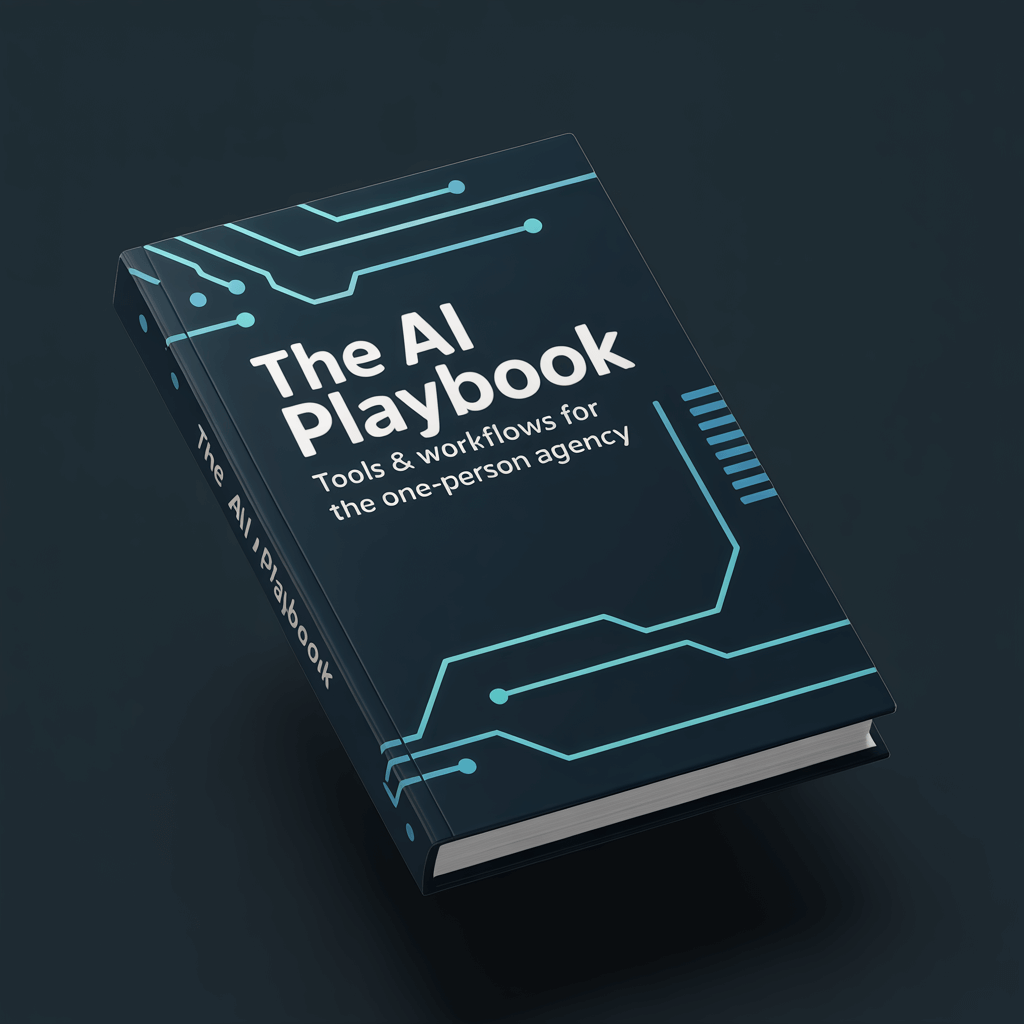
📥 FREE: THE AI PLAYBOOK
The exact tools and workflows I use to run a one-person agency. 25 years of marketing experience distilled into an actionable guide. Yours free.

AI & Digital Marketing Strategist
With over 25 years in digital marketing, e-commerce, sales, and international business, Jon Jones is a seasoned entrepreneur dedicated to empowering small businesses through innovative AI solutions. His journey began in investment banking on Wall Street, guiding companies through capital acquisition and complex markets, and has expanded to include expertise in web development, brand design, product development, and courses and training.
Fluent in Mandarin and with a rich foundation in both finance and tech, Jon launched JonJones.ai to provide accessible, transformative tools for small businesses to streamline operations, generate leads, and build sustainable growth. His mastery of AI, automation, and digital strategy has enabled numerous businesses to bridge the gap between traditional practices and modern technology, ensuring they thrive in today’s digital landscape.