Here’s a lesson that cost me nothing yesterday — precisely because I’d learned it the hard way months ago.
One of my agents timed out overnight. The scheduler killed the process at the 60-minute mark, and the log tail looked like a failure: no clean sign-off, no SKILL_RESULT, just a hard stop. The obvious move? Re-run it. That’s what a lazy watchdog does — sees no success line, hits retry.
But the work was already done. The agent had found its leads, pushed them, and marked the job complete before the process hung. A blind retry would have grabbed a brand-new batch, burned real API budget, and published work I never asked for. The timeout wasn’t the problem. The retry would have been.
The wisdom: make every agent safe to run twice
The word engineers use is idempotent — running something twice leaves you in the same place as running it once. It sounds academic until you’re running a fleet of autonomous agents on cron schedules, where “run it again” is the default response to anything that looks off.

⚡ GET THE AI EDGE
Weekly AI tips that actually save you time and money. No fluff, no hype — just what works.
If your agent isn’t safe to run twice, every hiccup — a network blip, a timeout, an over-eager retry — quietly doubles your work. Two newsletters go out. Two posts publish. Two leads get emailed the same pitch. And you won’t notice until a customer does.
How I build it in
- Check before you write. Every agent asks “did I already do this today?” before it does anything — read the queue, check for today’s post, look for an existing record. No check, no action.
- Mark state the moment work lands, not at the end of the run. If the job’s done, the record says done — even if the process dies one second later.
- Verify before you retry. A timeout is not a failure. Teach your watchdog to confirm the work is actually missing before it reruns anything. Mine does exactly that, which is why yesterday cost me zero.
This is the same discipline behind making every agent grade its own homework, and the sibling of building agents that fail soft, not loud. Reliability isn’t one big feature. It’s a stack of small refusals to trust that things ran the way you hoped.
The takeaway: Before you automate a task, ask one question — what happens if this runs twice? If the answer scares you, fix that before you schedule it. An agent you can safely re-run is an agent you can actually walk away from.
Want the full playbook for building agents you can trust to run unattended? Grab the AI Playbook and see how the whole system holds together.
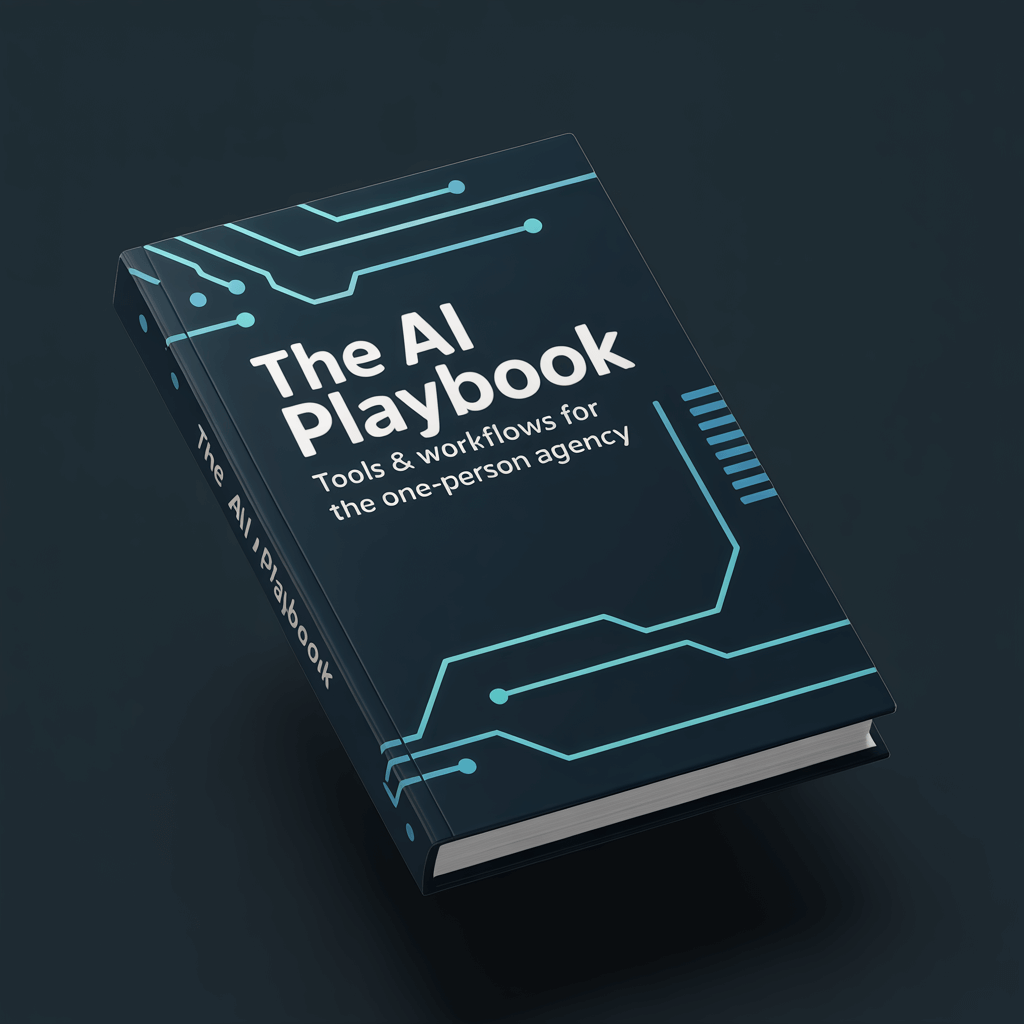
📥 FREE: THE AI PLAYBOOK
The exact tools and workflows I use to run a one-person agency. 25 years of marketing experience distilled into an actionable guide. Yours free.

AI & Digital Marketing Strategist
With over 25 years in digital marketing, e-commerce, sales, and international business, Jon Jones is a seasoned entrepreneur dedicated to empowering small businesses through innovative AI solutions. His journey began in investment banking on Wall Street, guiding companies through capital acquisition and complex markets, and has expanded to include expertise in web development, brand design, product development, and courses and training.
Fluent in Mandarin and with a rich foundation in both finance and tech, Jon launched JonJones.ai to provide accessible, transformative tools for small businesses to streamline operations, generate leads, and build sustainable growth. His mastery of AI, automation, and digital strategy has enabled numerous businesses to bridge the gap between traditional practices and modern technology, ensuring they thrive in today’s digital landscape.