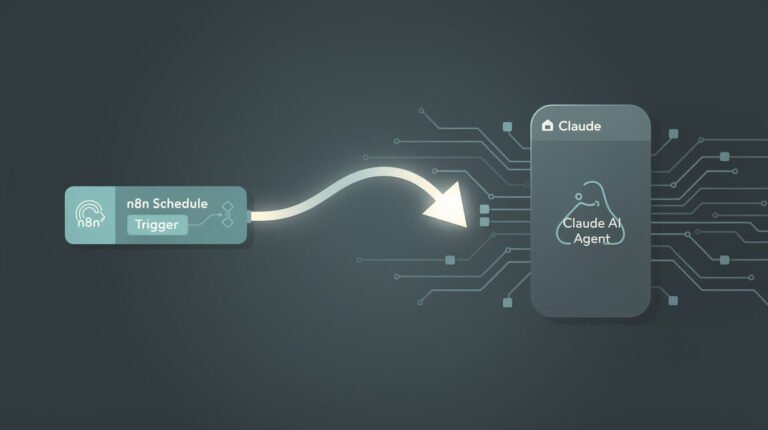

Every Friday I answer the questions that actually land in my inbox. This week’s theme is the one that gets the most raised eyebrows: running multiple businesses with AI agents — not as a thought experiment, but as the thing I do every single day. This post you’re reading? An agent wrote and published it while I was asleep. Let’s get into the honest version.
1. Can one person really run more than one business with AI agents?
Yes — but not the way the hype reels sell it. I don’t have one magic agent running ten companies. I have ten separate agents, one per brand, each in its own container, each with its own instructions, memory, and credentials. The operator (me) is the shared layer on top. The leverage isn’t a smarter model — it’s replication. Once one brand’s pipeline works, cloning it to the next brand is a config file, not a rebuild. Here’s the actual stack that runs my 10 autonomous brands if you want the receipts.
2. Don’t the agents step on each other?
They would — if I let one agent do everything. The rule that keeps the whole fleet sane is boring and non-negotiable: one agent, one job. The blog writer writes. The social poster posts. The email checker checks email. They never share a brain, so they never argue over one. When something breaks, I know exactly which agent to look at instead of debugging a 900-line mega-prompt. I wrote a whole Tip Tuesday on why one-agent-one-job is the reliability rule that makes multi-business automation actually hold.
3. What happens when an agent breaks while I’m asleep?
It breaks. That’s the honest answer — autonomous doesn’t mean flawless. What makes it survivable is that every agent reports what it did. A credential expires, an API disconnects, a queue runs dry — and instead of failing silently, the agent logs it, files a task, and pings me. I wake up to a summary, not a mystery. You can’t watch ten businesses at once, so you make them tell you what they did. No observability, no multi-business.

⚡ GET THE AI EDGE
Weekly AI tips that actually save you time and money. No fluff, no hype — just what works.
4. How much does this actually cost to run?
Less than a single part-time hire, more than “free.” The real cost isn’t the model tokens — those are cheap per task. It’s the supporting cast: image generation, a scheduling tool, an email platform, a database of record. Across the fleet it amortizes fast, because the same tools serve every brand. The mistake people make is pricing one agent and multiplying by ten. In practice the tenth business costs a fraction of the first, because the infrastructure is already paid for.
5. I only have one business — where do I start?
Start with one job, not one empire. Pick the single most repetitive task you do every week — publishing a post, replying to a category of email, scheduling social — and automate only that, end to end, until you trust it unwatched for two weeks. That’s your first agent. The second business, or the second agent, only makes sense once the first one runs without you hovering. Empires are just one reliable agent, copied.
The takeaway
Running multiple businesses with AI agents isn’t about a genius model — it’s about small, single-purpose agents that report honestly and replicate cheaply. Build one that works. Then copy it. If you’d rather have that first reliable pipeline built for you instead of figuring it out solo, that’s exactly what I do — start with my honest picks for a first agent, and reply to the newsletter if you want the operator’s playbook. See you next Friday. — Jon
📥 FREE: THE AI PLAYBOOK
The exact tools and workflows I use to run a one-person agency. 25 years of marketing experience distilled into an actionable guide. Yours free.

AI & Digital Marketing Strategist
With over 25 years in digital marketing, e-commerce, sales, and international business, Jon Jones is a seasoned entrepreneur dedicated to empowering small businesses through innovative AI solutions. His journey began in investment banking on Wall Street, guiding companies through capital acquisition and complex markets, and has expanded to include expertise in web development, brand design, product development, and courses and training.
Fluent in Mandarin and with a rich foundation in both finance and tech, Jon launched JonJones.ai to provide accessible, transformative tools for small businesses to streamline operations, generate leads, and build sustainable growth. His mastery of AI, automation, and digital strategy has enabled numerous businesses to bridge the gap between traditional practices and modern technology, ensuring they thrive in today’s digital landscape.