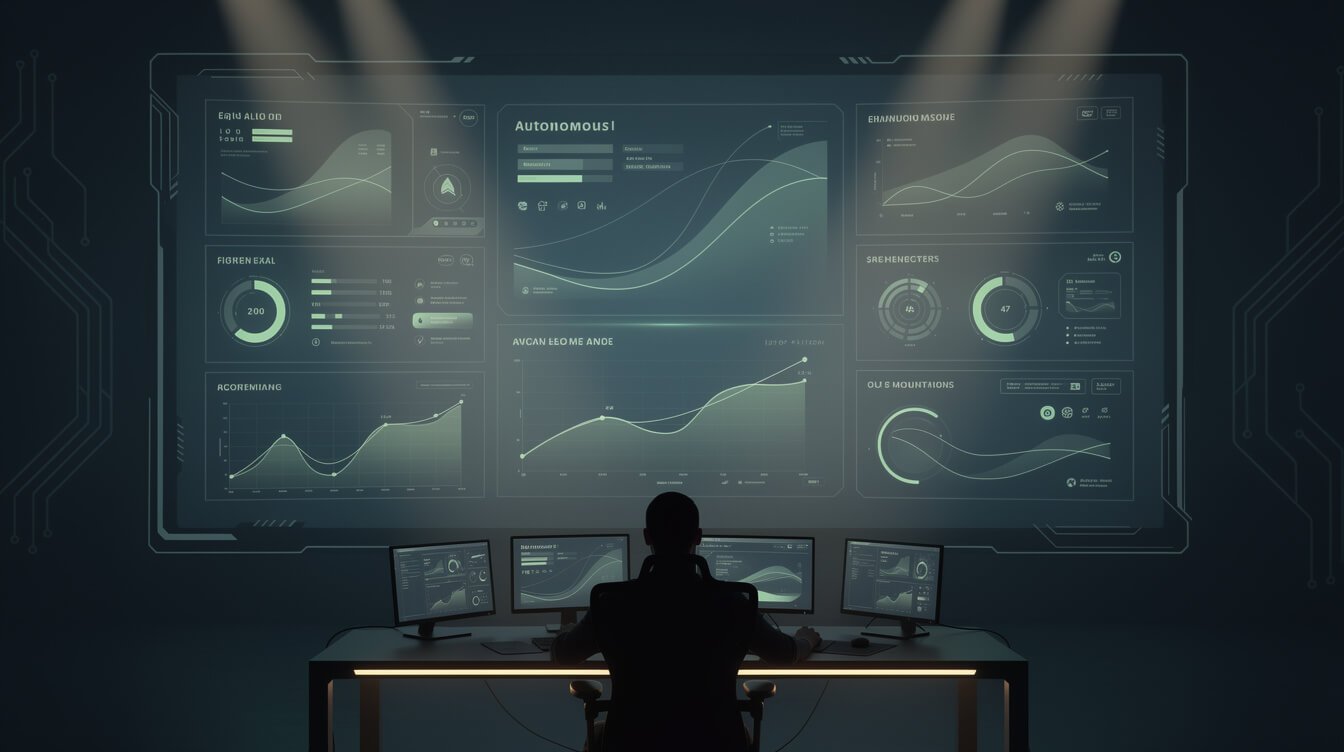
Here’s a piece of hard-won operator wisdom that took me an embarrassingly long time to internalize: you cannot automate what you cannot see. Every time I skipped this rule, I paid for it in silent failures — agents that “ran fine” for days while quietly doing the wrong thing.
So today’s Wednesday Wisdom is simple. Before you hand a task to an agent, wire up your AI agent monitoring first. Instrument, then automate. Never the other way around.
The mistake almost every solo operator makes
You build a slick agent, watch it work once, and walk away. It feels like magic. But an autonomous system with no eyes on it isn’t a business — it’s a lottery ticket. The failure mode is never a dramatic crash. It’s the quiet stuff: a rate-limited API that returns empty, a queue that silently emptied, a “success” that published nothing. Without AI agent monitoring, you find out three days later when a customer asks where their content went.
What “instrument first” actually means
Instrumenting doesn’t mean a fancy observability stack. For a solo operator it’s three cheap layers:
- A heartbeat — every run pings you win, lose, or skip. Silence is data too.
- A log you can read like a diary — plain text, human-readable, appended every run. Not a database you’ll never open.
- A paper trail for anything that mattered — what ran, what it produced, and where it lives.
Get those three in place and your agent stops being a black box. You can trust it precisely because you can audit it.

⚡ GET THE AI EDGE
Weekly AI tips that actually save you time and money. No fluff, no hype — just what works.
The receipt: how my fleet actually stays observable
I run more than ten autonomous brand containers, and none of them are “fire and forget.” Every single skill — this post included — ends with the exact same three moves:
- A Telegram alert fires the second the job finishes: ✅ success, ⚠️ skip, or ❌ fail, with a one-line summary. I read my whole fleet’s health from my phone over coffee.
- An observations log gets a timestamped entry — what topic ran, what got published, any weirdness worth remembering tomorrow.
- An Asana task lands in a tracking column so there’s a durable record a human can review later.
That’s it. Boring, repeatable, and it’s the whole reason I can leave these agents running while I sleep. The fully autonomous agent isn’t the one with the smartest model — it’s the one you can see. It pairs directly with keeping a tight approval queue so the risky calls still route past a human.
Your move this week
Pick your loudest agent and ask one question: if it failed silently right now, how long until I’d know? If the answer is “days,” you don’t have an automation problem — you have a monitoring problem. Add the heartbeat first. The automation gets trustworthy the moment it gets observable.
Want a second set of eyes on how your agents are wired — or whether they should exist at all? Book an automation strategy session and we’ll pressure-test your stack together.
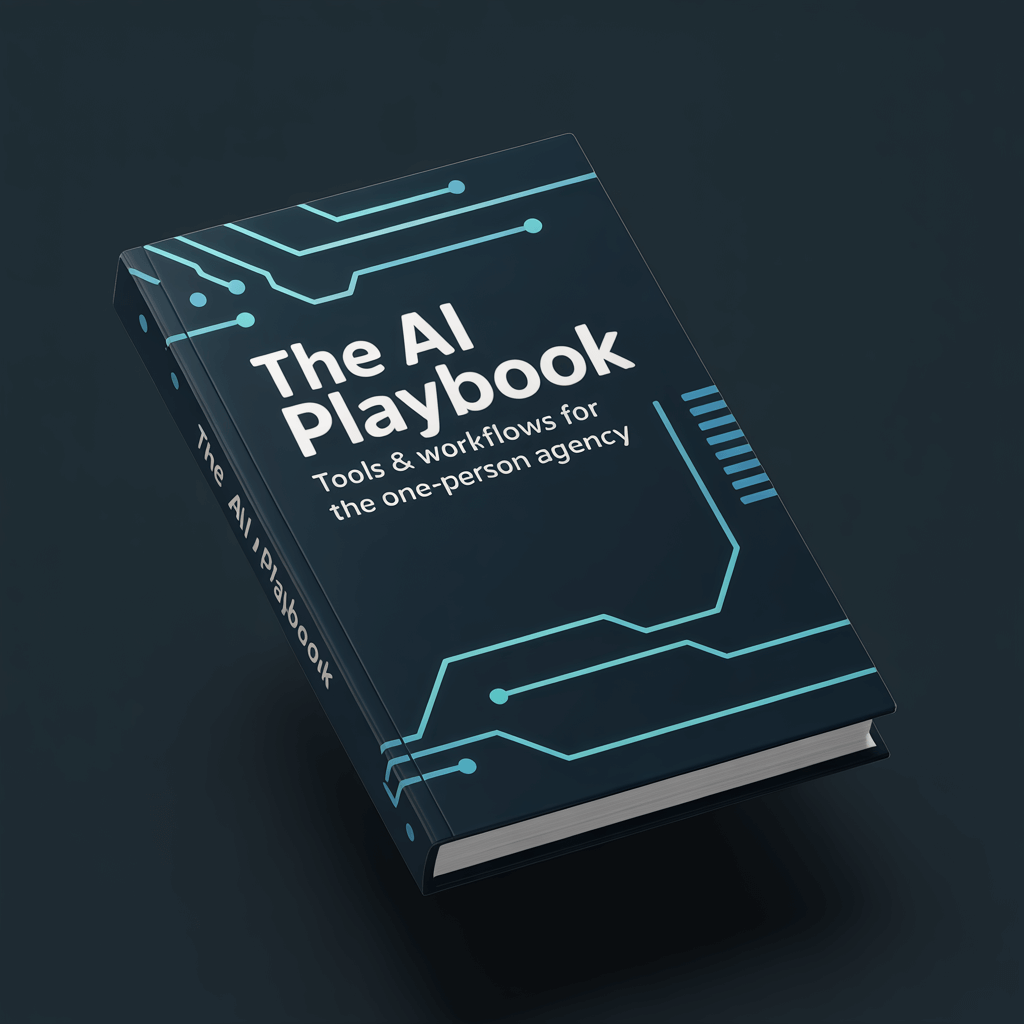
📥 FREE: THE AI PLAYBOOK
The exact tools and workflows I use to run a one-person agency. 25 years of marketing experience distilled into an actionable guide. Yours free.

AI & Digital Marketing Strategist
With over 25 years in digital marketing, e-commerce, sales, and international business, Jon Jones is a seasoned entrepreneur dedicated to empowering small businesses through innovative AI solutions. His journey began in investment banking on Wall Street, guiding companies through capital acquisition and complex markets, and has expanded to include expertise in web development, brand design, product development, and courses and training.
Fluent in Mandarin and with a rich foundation in both finance and tech, Jon launched JonJones.ai to provide accessible, transformative tools for small businesses to streamline operations, generate leads, and build sustainable growth. His mastery of AI, automation, and digital strategy has enabled numerous businesses to bridge the gap between traditional practices and modern technology, ensuring they thrive in today’s digital landscape.