

Here’s the failure mode nobody warns you about when you hand a task to an AI agent: it doesn’t crash loudly. It goes quiet. The newsletter didn’t send, the post didn’t publish, the leads didn’t sync — and you found out three days later because a customer asked where their email was. Silent failure is the tax on automation, and today’s tip is how you stop paying it.
Today’s Tip: Make Every Agent Text You When It’s Done
The rule is simple: every autonomous agent should send you a one-line message every time it runs — even when everything worked. Not just on errors. Every single time. A tiny heartbeat that says, “I ran, here’s what I did, here’s the link.”
It sounds almost too obvious. Most people only wire up alerts for failures, which feels efficient — why get pinged when things are fine? Because “no news” and “the agent quietly died at 2 a.m.” look identical from your side of the screen. When success is silent and failure is silent, you have no signal at all. You’re just hoping.
Why It Works: Silence Becomes the Alarm
Flip it around. If your agent pings you every morning at 7:03 saying “✅ published today’s post — [link],” then the day it doesn’t ping you, the empty space in your chat is the alarm. You don’t have to remember to check. You don’t have to log into a dashboard. The absence of a message is the message.
This is the same instinct behind a good weekly review — you want your systems to surface problems to you, not wait for you to go dig them up. A heartbeat notification is that idea shrunk down to a daily, per-agent size. It’s also the missing half of the “draft mode first” rule: draft mode keeps a new agent from doing damage; the heartbeat keeps you from losing track of it once you trust it to run live.

⚡ GET THE AI EDGE
Weekly AI tips that actually save you time and money. No fluff, no hype — just what works.
How to Set It Up in 10 Minutes
You don’t need fancy monitoring software. Any channel you actually check works — I use Telegram because a bot is free and takes five minutes to create, but Slack, Discord, or even a plain email to yourself is fine.
- Make the last step of every agent a notification. Whatever the agent does, its final action is: send one line to your chosen channel.
- Include three things: what ran (the agent’s name), the outcome (a ✅ or ❌), and a link or number you can eyeball — the published URL, the count of emails processed, the invoice total.
- Keep it to one line. If the message is long, you’ll start ignoring it. One glance should tell you “fine” or “look closer.”
- Send it on success too. This is the part people skip, and it’s the whole point.
Every agent in my fleet ends its run this way. When ten of them report in each morning and one is missing, I know exactly where to look before a customer ever notices. If you’re just getting started, the first few agents you build are the perfect place to practice the habit — bake in the heartbeat from day one.
The Takeaway
Wire your agents to report in when they succeed, not just when they fail. Success alerts feel redundant right up until the morning they go missing — and then that silence is the most useful signal you have. An agent you can’t hear from is an agent you can’t trust. Give every one of yours a heartbeat, and let the quiet do your monitoring for you.
Running an agent — or a whole fleet — and tired of finding out about failures from your customers? That’s exactly the kind of guardrail I build for operators. Book an automation strategy session and let’s make your systems tell on themselves.
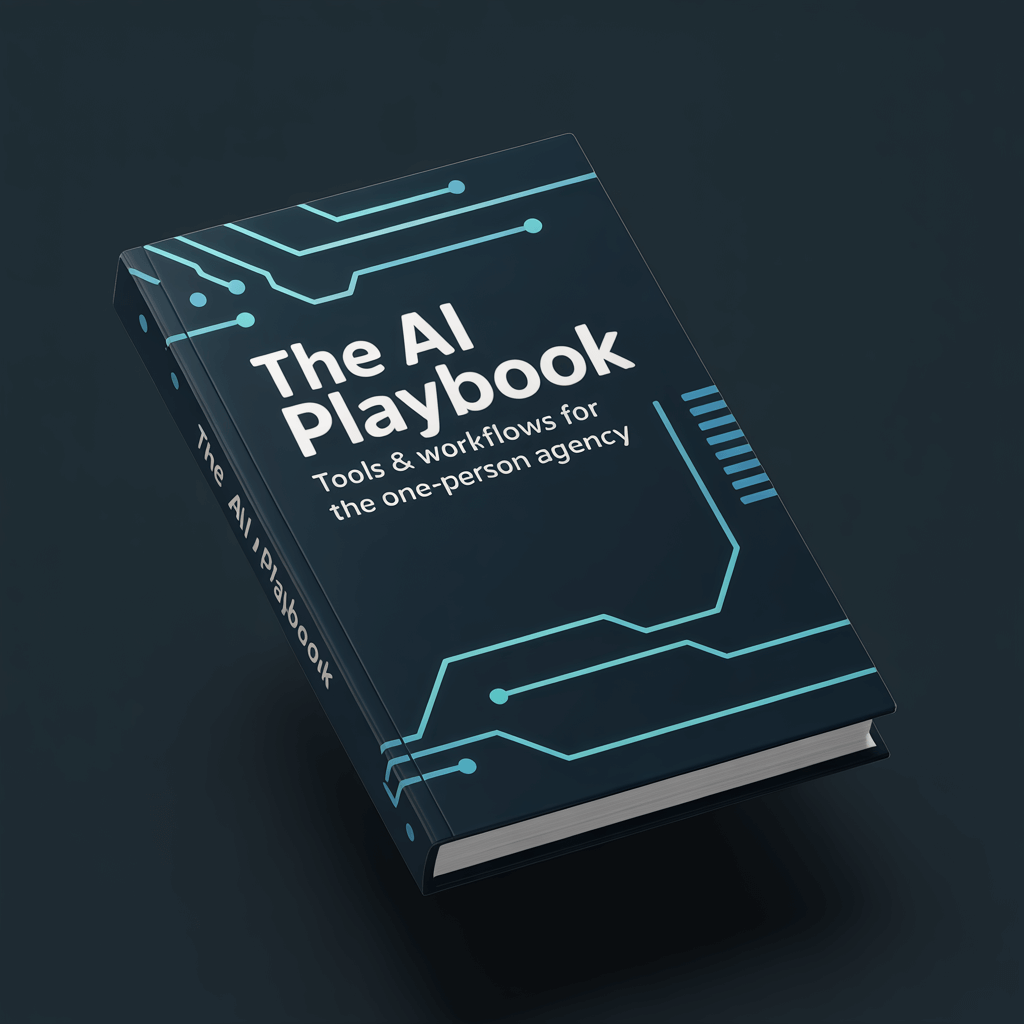
📥 FREE: THE AI PLAYBOOK
The exact tools and workflows I use to run a one-person agency. 25 years of marketing experience distilled into an actionable guide. Yours free.

AI & Digital Marketing Strategist
With over 25 years in digital marketing, e-commerce, sales, and international business, Jon Jones is a seasoned entrepreneur dedicated to empowering small businesses through innovative AI solutions. His journey began in investment banking on Wall Street, guiding companies through capital acquisition and complex markets, and has expanded to include expertise in web development, brand design, product development, and courses and training.
Fluent in Mandarin and with a rich foundation in both finance and tech, Jon launched JonJones.ai to provide accessible, transformative tools for small businesses to streamline operations, generate leads, and build sustainable growth. His mastery of AI, automation, and digital strategy has enabled numerous businesses to bridge the gap between traditional practices and modern technology, ensuring they thrive in today’s digital landscape.