
It’s Sunday. Before you spin up the week, do one thing that pays off every single day after: pick the one failure that kept happening last week and fix it for good.
Not all of them. One. Here’s why that’s the whole game.
The 7-day alert I ignored (so you don’t have to)
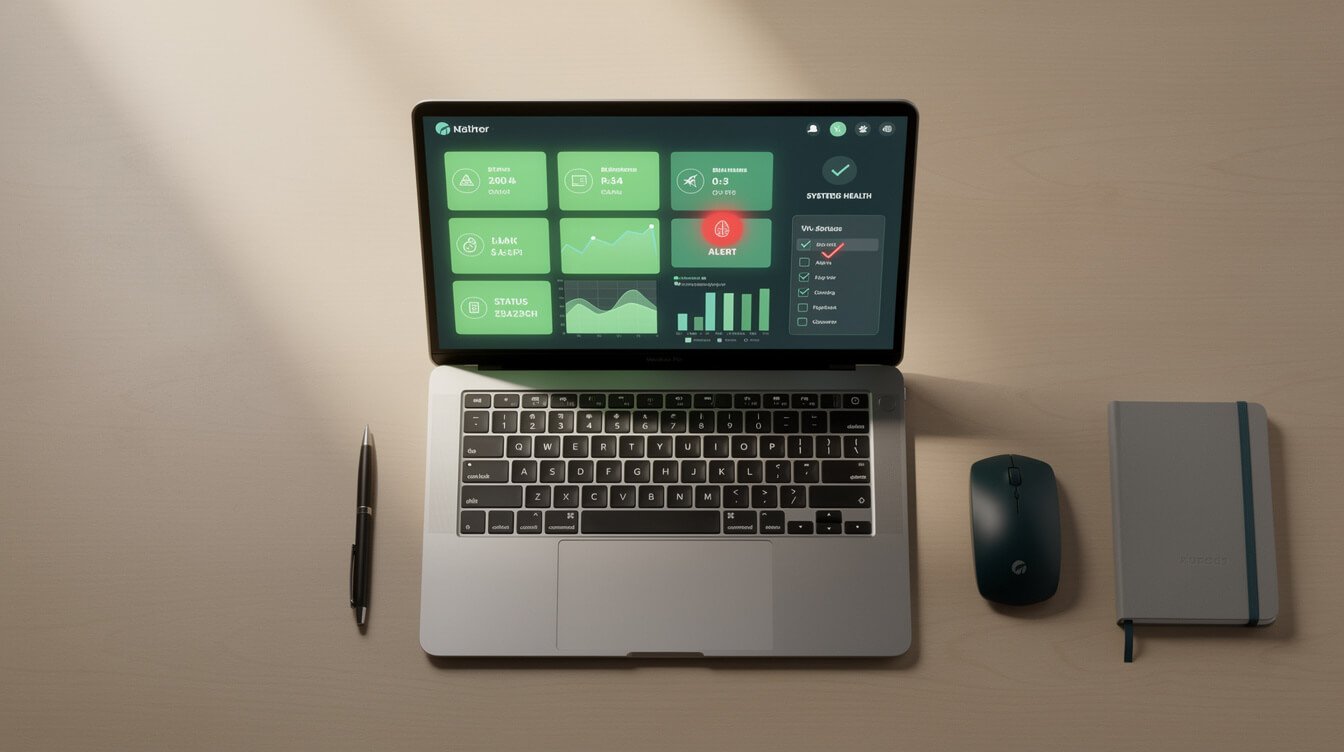
This week one of my publishing integrations lost its auth token. My agents did exactly what they were built to do — they caught it, logged it, and pinged me. Every day. For seven days straight. Same alert, same red flag, same calm little message: “heads up, this leg is down.”
And every day I glanced at it, thought “I’ll re-pair that later,” and moved on. The content pipeline kept running fine. Drafts kept queuing. Nothing was on fire — so nothing got fixed. That’s the trap. A repeat failure that degrades gracefully is the most dangerous kind, because it never forces your hand.
A good alert only does half the job. It tells you something broke. Making your agents text you when something’s wrong is step one — but an alarm you snooze seven times isn’t observability, it’s noise you’ve learned to love.

⚡ GET THE AI EDGE
Weekly AI tips that actually save you time and money. No fluff, no hype — just what works.
The rule: fix exactly one recurring failure per week
Every Sunday, before anything else, run this three-step pass:
- Scan the week’s alerts. Open your alert channel (Telegram, Slack, email — wherever your agents report) and look for the message that showed up more than twice. That’s your target.
- Fix the root, not the symptom. Don’t just clear the error and move on. Re-pair the token, patch the flaky step, add the retry, fix the bad assumption. Make it so that specific alert cannot fire next week.
- Confirm the silence. Re-run the task or trigger it manually. No alert = fixed. That green silence is the receipt.
Why one beats ten
Because ten never happens. A backlog of “things to fix” is a backlog you’ll admire and never touch. But one recurring failure, killed every Sunday, compounds fast — that’s roughly 50 permanent fixes a year, each one removing noise instead of adding it. Do this alongside your regular credential check and queue top-up, and your fleet gets quieter every week instead of louder.
The takeaway: An autonomous system isn’t one that never breaks — it’s one that breaks in the same place fewer times each week. This Sunday, find your loudest repeat offender and make it go silent. Just one. Then let it run.
Want a second set of eyes on which failures in your stack are worth fixing first? That’s exactly the kind of thing I help operators untangle — reply to the newsletter or reach out and let’s look at your fleet together.
📥 FREE: THE AI PLAYBOOK
The exact tools and workflows I use to run a one-person agency. 25 years of marketing experience distilled into an actionable guide. Yours free.

AI & Digital Marketing Strategist
With over 25 years in digital marketing, e-commerce, sales, and international business, Jon Jones is a seasoned entrepreneur dedicated to empowering small businesses through innovative AI solutions. His journey began in investment banking on Wall Street, guiding companies through capital acquisition and complex markets, and has expanded to include expertise in web development, brand design, product development, and courses and training.
Fluent in Mandarin and with a rich foundation in both finance and tech, Jon launched JonJones.ai to provide accessible, transformative tools for small businesses to streamline operations, generate leads, and build sustainable growth. His mastery of AI, automation, and digital strategy has enabled numerous businesses to bridge the gap between traditional practices and modern technology, ensuring they thrive in today’s digital landscape.