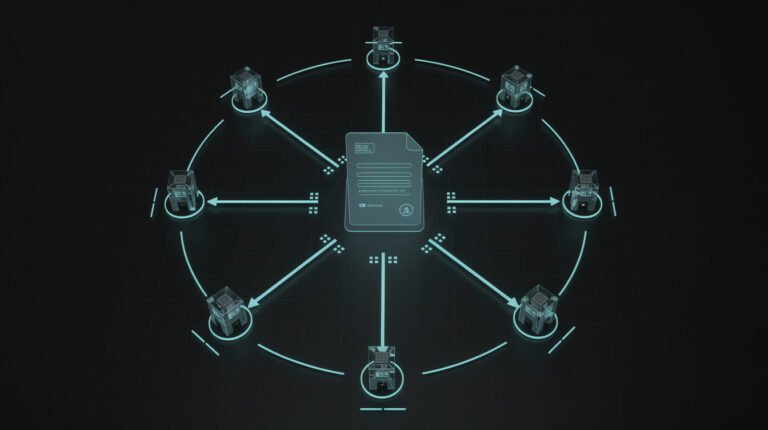

Most solopreneurs use AI the same way they use Google: type a question, get an answer, close the tab.
That works for quick lookups. It doesn’t build an autonomous business.
The shift that actually changes things
The solopreneurs who are winning with AI automation have made one mental shift: they treat their AI agents like employees, not search engines.
Here’s what that looks like in practice:
- Employees have roles. Your AI needs a clear persona and job description — “You are my content research assistant. You specialize in finding keyword gaps for solopreneur-focused topics and always prioritize low-competition, high-intent terms.”
- Employees follow SOPs. A great prompt isn’t one sentence. It’s a mini-standard operating procedure: context, task, format, example output, constraints.
- Employees have recurring tasks. One-off prompts are the AI equivalent of hiring a temp. Scheduled agents with consistent instructions are your actual team.
- Employees get feedback loops. The best AI systems aren’t set-and-forget. They have review checkpoints — someone (or another agent) validates output before it ships.
What this looks like in a real system
Every skill in my JonOps agent stack has a markdown file — a literal SOP. It tells the agent who it is, what it does, what APIs to call, how to format the output, and what to do when something goes wrong.
That’s not a prompt. That’s an employee handbook.
When I add a new agent, I don’t write a clever one-liner and hope for the best. I write a role. I give it context, constraints, and an example output. Then I schedule it.

⚡ GET THE AI EDGE
Weekly AI tips that actually save you time and money. No fluff, no hype — just what works.
The result: 10+ autonomous agents running daily tasks without me in the loop.

Lead Magnet AI Playbook
Get the exact playbook I use to build autonomous AI systems — free.
Your action step for today
Pick the AI task you run most often — summarizing content, drafting emails, researching topics — and write a proper SOP for it:
- Role: Who is this agent? What’s its specialty?
- Task: What should it do today specifically?
- Format: What should the output look like?
- Example: Show it one good output to anchor expectations.
- Constraints: What should it never do?
Save that as a template. Reuse it. Refine it when the output isn’t right.
That’s how you go from AI user to AI operator.
Ready to build the full stack? My prompt engineering guide for solopreneurs walks through the exact framework I use to write agent instructions that actually hold up at scale. And if you want to understand the bigger picture of how autonomous agents work, the agentic AI guide covers the whole architecture.
Lead Magnet AI Playbook
Get the exact playbook I use to build autonomous AI systems — free.
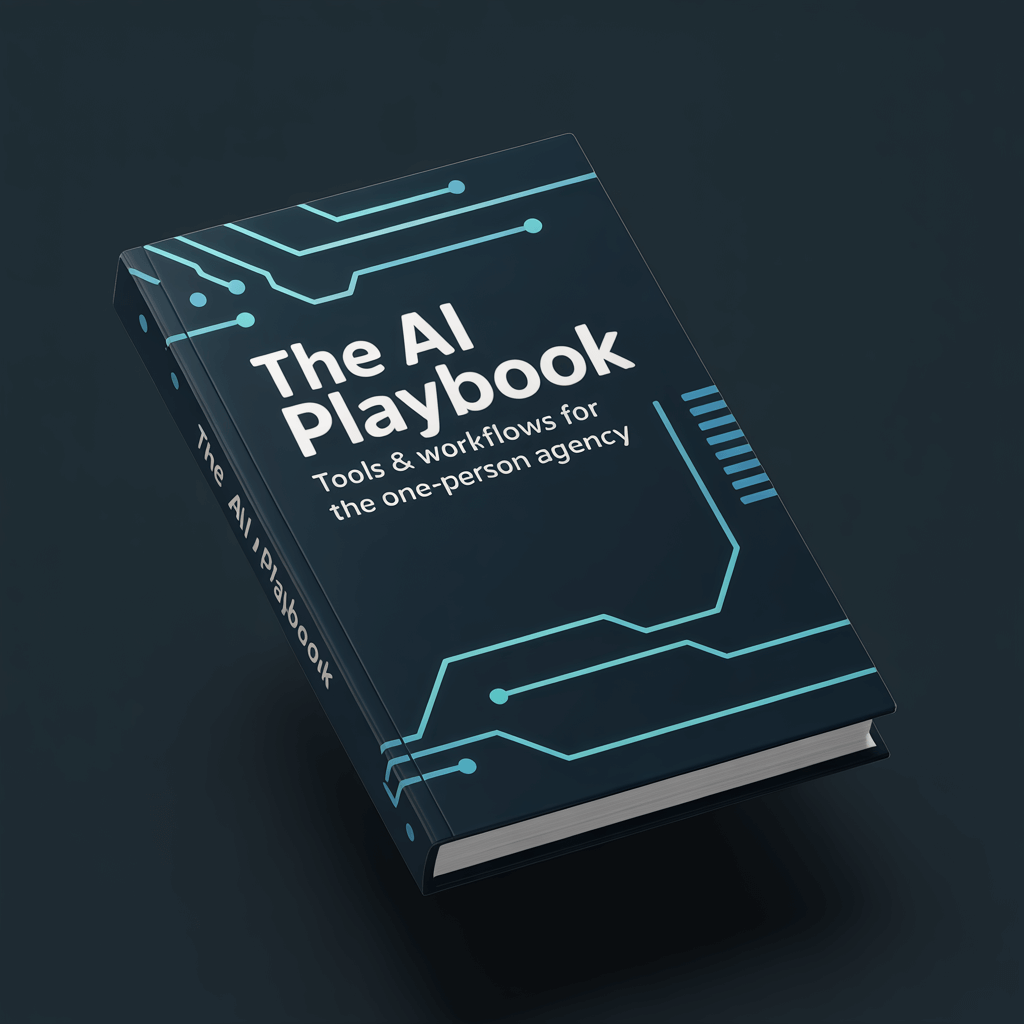
📥 FREE: THE AI PLAYBOOK
The exact tools and workflows I use to run a one-person agency. 25 years of marketing experience distilled into an actionable guide. Yours free.

AI & Digital Marketing Strategist
With over 25 years in digital marketing, e-commerce, sales, and international business, Jon Jones is a seasoned entrepreneur dedicated to empowering small businesses through innovative AI solutions. His journey began in investment banking on Wall Street, guiding companies through capital acquisition and complex markets, and has expanded to include expertise in web development, brand design, product development, and courses and training.
Fluent in Mandarin and with a rich foundation in both finance and tech, Jon launched JonJones.ai to provide accessible, transformative tools for small businesses to streamline operations, generate leads, and build sustainable growth. His mastery of AI, automation, and digital strategy has enabled numerous businesses to bridge the gap between traditional practices and modern technology, ensuring they thrive in today’s digital landscape.