

Every Wednesday I share one lesson from running my own fleet of AI agents. This week’s is about the safety net everyone tells you to add. A human in the loop AI agent setup means the agent does the work and a person checks it before it counts. That’s good advice. But it only works if the person actually closes the loop, and mine mostly don’t get closed.
The receipt: 195 approval tasks, 0 approved by me
My agents publish blog posts, schedule social posts and write outreach drafts on their own. Whenever one of them makes something it thinks I should look at, it files a task in a section of my project board called Drafts (Awaiting Approval). That was my human in the loop.
This morning I counted that section. 195 tasks since June. 191 are still open. The other 4 were closed by the agent that filed them, less than 3 seconds after filing. So I’ve ticked exactly zero. The oldest open one is 127 days old.
The same thing happened in a second place. My Reddit agent writes reply drafts for a person to copy and post by hand. It has written 464 drafts since June 16. 424 are marked Skipped, 40 are still Ready, and none are marked Posted.
Some of that work may have been checked somewhere else, like on the live site or in an alert on my phone. The agents can’t see that, so to them the approval step never happens. And the agents aren’t waiting for an answer either. They publish, file the task and move on, which is what I built them to do. So the “loop” was really a filing cabinet. Nothing ever waited on it.

⚡ 取得人工智慧優勢
每週提供真正省時省錢的AI小技巧。沒有廢話,沒有誇大其詞——只有切實有效的方法。.
The lesson: decide what the human is actually for
A review step only counts if something waits for it. If the work goes live whether or not you look, the review is just a log, and a log no one reads isn’t protecting you from anything. Here’s how I’d set it up now:
- Split “approve” from “FYI.” If the agent can do the thing without you, don’t send it to an approval queue. Put it in a log or a daily summary. Keep the approval queue for things that should stop until you say yes, like pricing, commitments and money.
- Make the wait real. If something needs your yes, the agent should hold it, not publish and hope. My email agent only writes drafts, and that rule only holds where the permissions enforce it. Approval works the same way.
- Count the queue every week. Open approvals and the age of the oldest one are the health check for your human in the loop. If that number only goes up, either you stopped reviewing or the step was never needed. Both are worth knowing, and it takes a few minutes a week.
The honest part
I haven’t fixed this yet. Most of those 191 tasks are post reviews that never needed to block anything, so they’re really FYIs. A few are real questions for me, and they’re buried under the FYIs. That’s the cost: when everything goes in the approval pile, the few things that need a decision get lost in it. Sorting the pile into “log” and “decide” is now on my list.
要點: don’t ask whether your agent has a human in the loop. Ask what’s waiting on that human right now, and how long it’s been waiting. If the answer is “nothing,” you have a log. If it’s “something, for months,” you have a bottleneck.
If you’re building agents and not sure which steps really need you, 預約策略諮詢 and we’ll sort your queue together.
See you next Wednesday.
喬恩
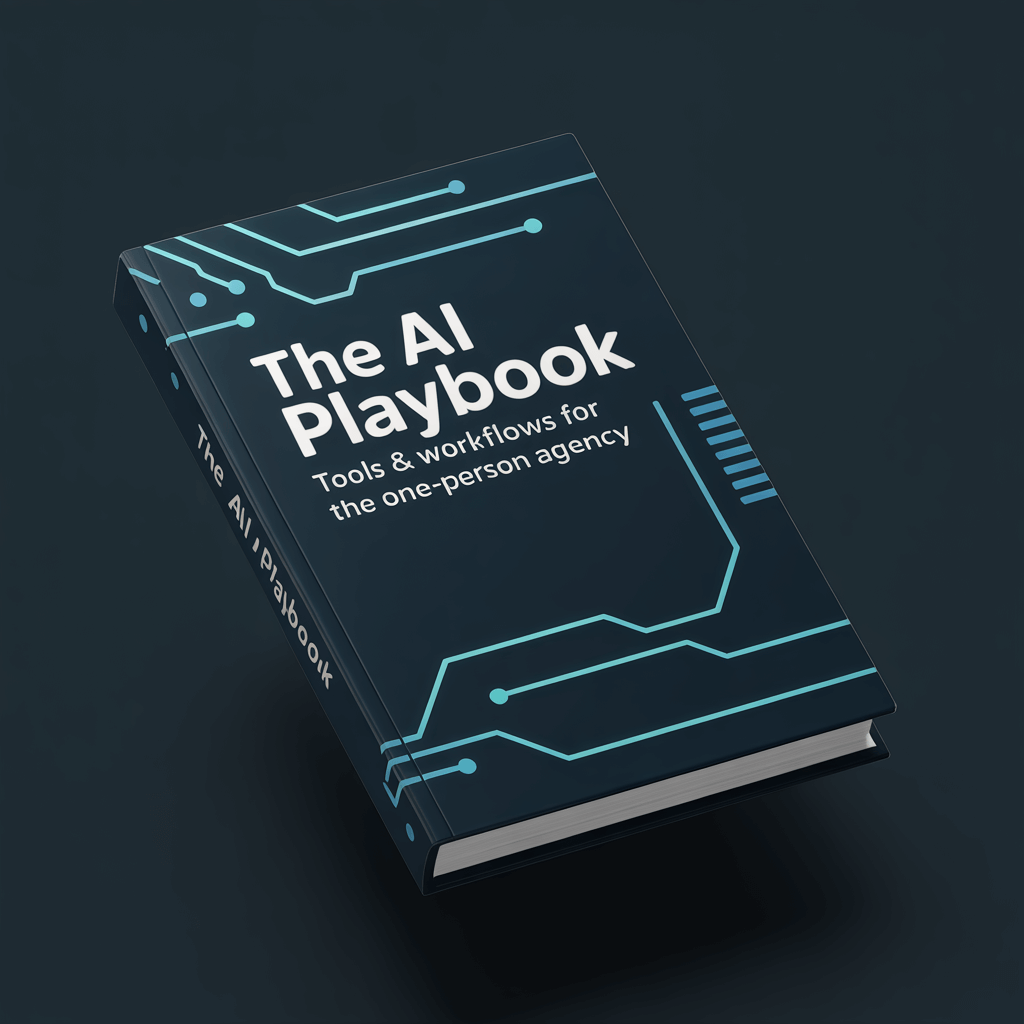
📥 免費:《人工智慧劇本》
我用來經營一人代理公司的所有工具和工作流程。 25 年的行銷經驗濃縮成一份實用指南。免費贈送。.

人工智慧與數位行銷策略師
Jon Jones擁有超過25年的數位行銷、電子商務、銷售和國際商務經驗,是一位資深企業家,致力於透過創新的人工智慧解決方案賦能小型企業。他的職業生涯始於華爾街的投資銀行,曾指導企業完成資本募集和應對複雜的市場環境。如今,他的專業領域已拓展至網站開發、品牌設計、產品開發以及課程培訓。.
Jon精通普通話,並在金融和科技領域擁有深厚的功底。他創立了JonJones.ai,旨在為小型企業提供易於使用且具有變革意義的工具,幫助他們簡化營運、拓展客戶並實現永續成長。他對人工智慧、自動化和數位化策略的精通,已幫助許多企業彌合了傳統模式與現代技術之間的鴻溝,確保它們在當今的數位化環境中蓬勃發展。.