
大多數自僱人士使用人工智慧的方式與使用Google的方式相同:輸入問題,獲得答案,關閉標籤頁。.
這種方法適用於快速查找信息,但無法建立自主運營的業務。.
真正改變一切的轉變
那些在人工智慧自動化領域取得成功的個體經營者們已經轉變了一種思維方式:他們把人工智慧代理當作… 僱員, 而不是搜尋引擎。.
以下是實際操作中的樣子:
- 員工各司其職。. 你的AI需要一個清晰的角色和工作描述——“你是我的內容研究助理。你專注於為個體經營者主題尋找關鍵字空白,並始終優先考慮競爭性低、意向高的詞語。”
- 員工遵守標準作業程序。. 好的提示不是一句話,而是一個小型標準作業流程:包括背景、任務、格式、範例輸出和限制條件。.
- 員工都有重複性任務。. 一次性提示就好比人工智慧領域裡的臨時工。而按計畫執行任務並接受統一指令的客服人員才是你的正式團隊。.
- 員工可以獲得回饋。. 最好的AI系統並非一勞永逸。它們設有審核點-在輸出結果發布之前,會有人(或其他代理商)對其進行驗證。.
這在實際系統中是什麼樣子呢?
我的 JonOps 代理堆疊中的每個技能都有一個 Markdown 檔案——一個名副其實的標準作業程序 (SOP)。它告訴代理它是誰,它做什麼,要呼叫哪些 API,如何格式化輸出,以及當出現問題時該怎麼做。.
這不是提示,這是員工手冊。.
新增代理程式時,我不會寫一行巧妙的指令然後聽天由命。我會編寫一個角色,為其提供上下文、約束條件和範例輸出,然後進行調度。.

⚡ 取得人工智慧優勢
每週提供真正省時省錢的AI小技巧。沒有廢話,沒有誇大其詞——只有切實有效的方法。.
結果:10 多個自主代理無需我參與即可執行日常任務。.

潛在客戶開發人工智慧手冊
免費取得我用來建立自主人工智慧系統的完整操作指南。.
你今天的行動步驟
選擇你最常執行的 AI 任務——例如內容摘要、撰寫電子郵件、主題研究——並為其撰寫一份合適的標準作業程序 (SOP):
- 角色: 這個代理人是誰?他的專長是什麼?
- 任務: 它今天具體該做什麼?
- 格式: 輸出結果應該是什麼樣的?
- 例子: 展示一個好的結果來穩定預期。.
- 限制條件: 它絕對不能做什麼?
將其儲存為模板。重複使用。如果輸出結果不正確,則進行改進。.
這就是從人工智慧使用者到人工智慧操作員的轉變過程。.
準備好建置全端了嗎?我的 為個體企業家提供的即時工程指南 詳細介紹了我用來編寫能夠大規模運行的智慧體指令的具體框架。如果您想了解自主智能體運作原理的全貌,請繼續閱讀。 智慧AI嚮導 涵蓋整個建築。.
潛在客戶開發人工智慧手冊
免費取得我用來建立自主人工智慧系統的完整操作指南。.
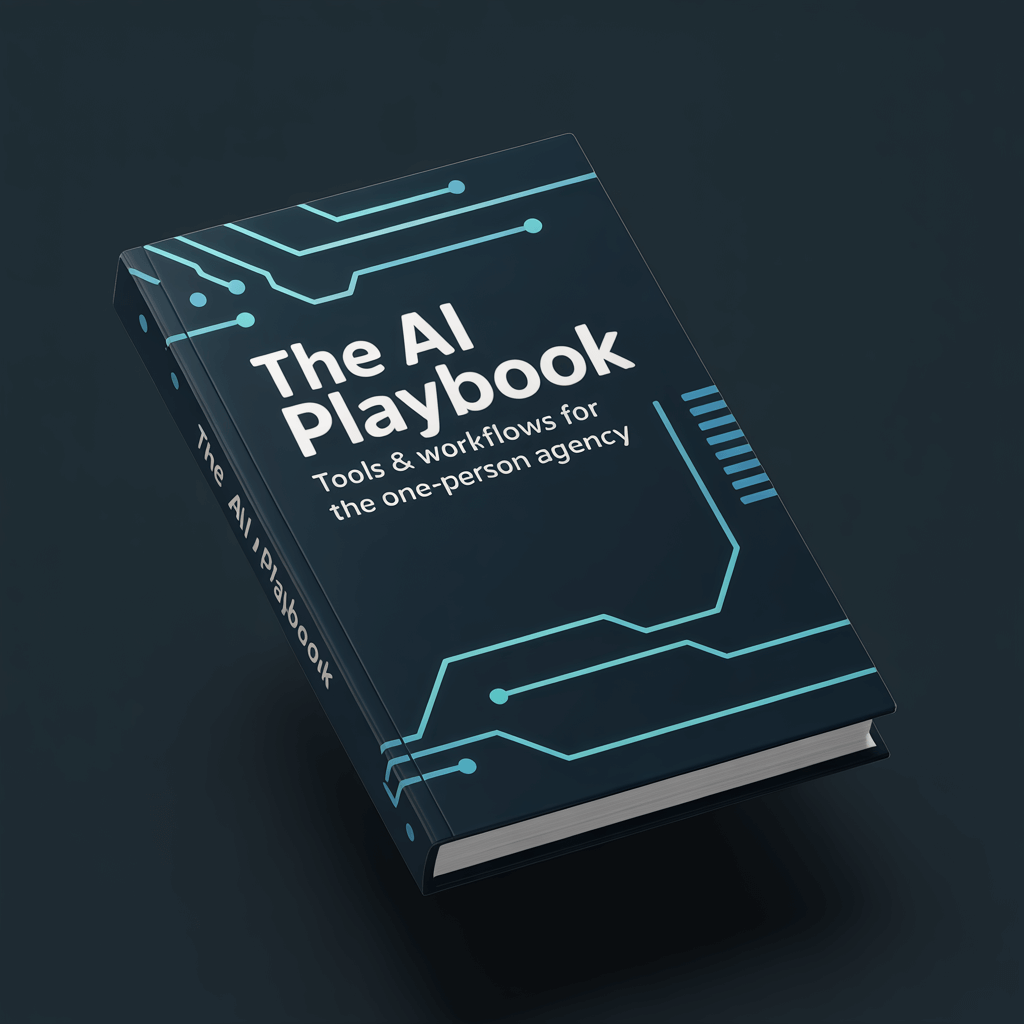
📥 免費:《人工智慧劇本》
我用來經營一人代理公司的所有工具和工作流程。 25 年的行銷經驗濃縮成一份實用指南。免費贈送。.

人工智慧與數位行銷策略師
Jon Jones擁有超過25年的數位行銷、電子商務、銷售和國際商務經驗,是一位資深企業家,致力於透過創新的人工智慧解決方案賦能小型企業。他的職業生涯始於華爾街的投資銀行,曾指導企業完成資本募集和應對複雜的市場環境。如今,他的專業領域已拓展至網站開發、品牌設計、產品開發以及課程培訓。.
Jon精通普通話,並在金融和科技領域擁有深厚的功底。他創立了JonJones.ai,旨在為小型企業提供易於使用且具有變革意義的工具,幫助他們簡化營運、拓展客戶並實現永續成長。他對人工智慧、自動化和數位化策略的精通,已幫助許多企業彌合了傳統模式與現代技術之間的鴻溝,確保它們在當今的數位化環境中蓬勃發展。.