Here’s a piece of hard-won operator wisdom that took me an embarrassingly long time to internalize: you cannot automate what you cannot see. Every time I skipped this rule, I paid for it in silent failures — agents that “ran fine” for days while quietly doing the wrong thing.
So today’s Wednesday Wisdom is simple. Before you hand a task to an agent, wire up your AI agent monitoring first. Instrument, 然後 automate. Never the other way around.
The mistake almost every solo operator makes
You build a slick agent, watch it work once, and walk away. It feels like magic. But an autonomous system with no eyes on it isn’t a business — it’s a lottery ticket. The failure mode is never a dramatic crash. It’s the quiet stuff: a rate-limited API that returns empty, a queue that silently emptied, a “success” that published nothing. Without AI agent monitoring, you find out three days later when a customer asks where their content went.
What “instrument first” actually means
Instrumenting doesn’t mean a fancy observability stack. For a solo operator it’s three cheap layers:
- A heartbeat — every run pings you win, lose, or skip. Silence is data too.
- A log you can read like a diary — plain text, human-readable, appended every run. Not a database you’ll never open.
- A paper trail for anything that mattered — what ran, what it produced, and where it lives.
Get those three in place and your agent stops being a black box. You can trust it precisely because you can audit it.

⚡ 取得人工智慧優勢
每週提供真正省時省錢的AI小技巧。沒有廢話,沒有誇大其詞——只有切實有效的方法。.
The receipt: how my fleet actually stays observable
I run more than ten autonomous brand containers, and none of them are “fire and forget.” Every single skill — this post included — ends with the exact same three moves:
- A Telegram提醒 fires the second the job finishes: ✅ success, ⚠️ skip, or ❌ fail, with a one-line summary. I read my whole fleet’s health from my phone over coffee.
- 一個 observations log gets a timestamped entry — what topic ran, what got published, any weirdness worth remembering tomorrow.
- 一個 Asana task lands in a tracking column so there’s a durable record a human can review later.
That’s it. Boring, repeatable, and it’s the whole reason I can leave these agents running while I sleep. The fully autonomous agent isn’t the one with the smartest model — it’s the one you can see. It pairs directly with keeping a tight approval queue so the risky calls still route past a human.
你本週的行動
Pick your loudest agent and ask one question: if it failed silently right now, how long until I’d know? If the answer is “days,” you don’t have an automation problem — you have a monitoring problem. Add the heartbeat first. The automation gets trustworthy the moment it gets observable.
Want a second set of eyes on how your agents are wired — or whether they should exist at all? 預約自動化策略會議 and we’ll pressure-test your stack together.
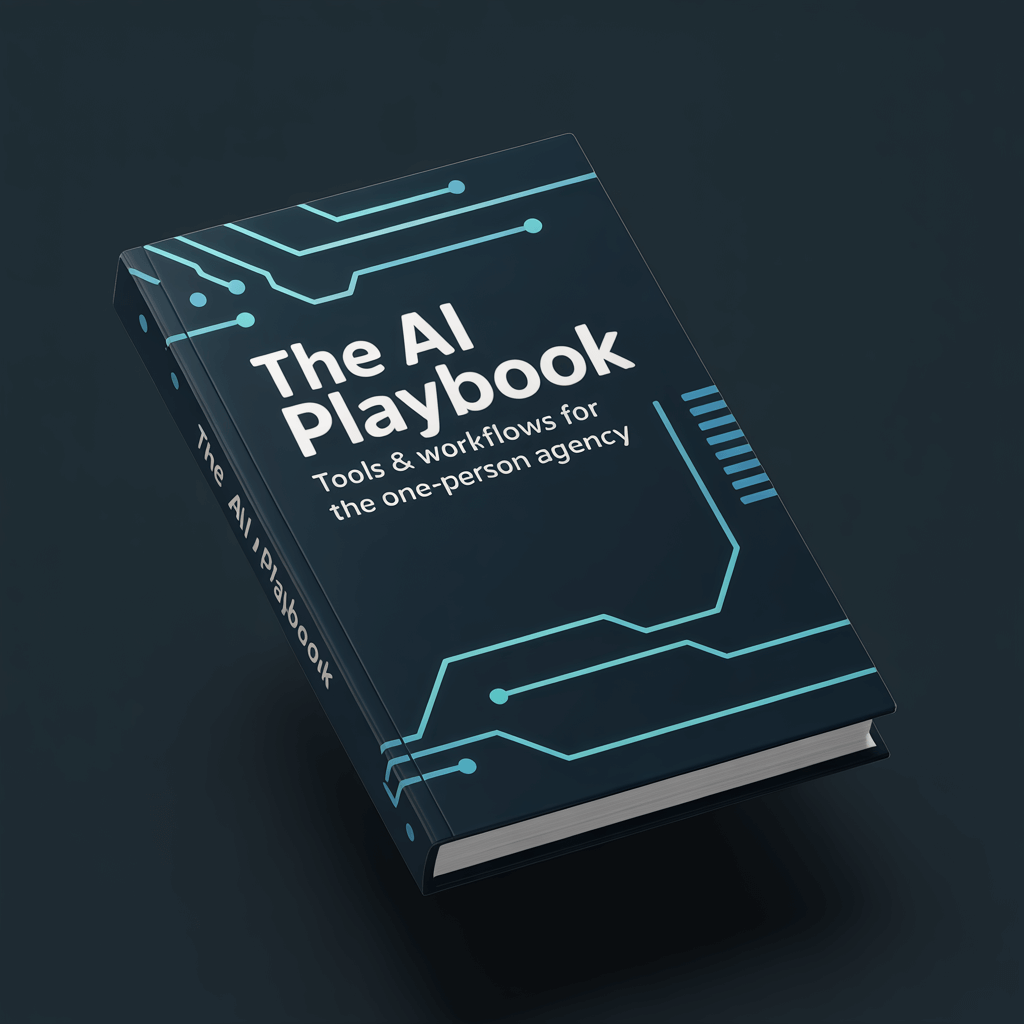
📥 免費:《人工智慧劇本》
我用來經營一人代理公司的所有工具和工作流程。 25 年的行銷經驗濃縮成一份實用指南。免費贈送。.

人工智慧與數位行銷策略師
Jon Jones擁有超過25年的數位行銷、電子商務、銷售和國際商務經驗,是一位資深企業家,致力於透過創新的人工智慧解決方案賦能小型企業。他的職業生涯始於華爾街的投資銀行,曾指導企業完成資本募集和應對複雜的市場環境。如今,他的專業領域已拓展至網站開發、品牌設計、產品開發以及課程培訓。.
Jon精通普通話,並在金融和科技領域擁有深厚的功底。他創立了JonJones.ai,旨在為小型企業提供易於使用且具有變革意義的工具,幫助他們簡化營運、拓展客戶並實現永續成長。他對人工智慧、自動化和數位化策略的精通,已幫助許多企業彌合了傳統模式與現代技術之間的鴻溝,確保它們在當今的數位化環境中蓬勃發展。.