

If you’ve built one AI agent and it worked, the temptation is immediate: bolt on more. Let it write the blog and answer email and post to social and chase leads. One brain to rule them all. It feels efficient. It almost always ends in a tangled mess that’s impossible to trust or debug. Today’s wisdom is the discipline that keeps my whole fleet calm: one agent, one job.
The wisdom: one agent, one job
A good agent does a single, well-defined task and does it the same way every time. It wakes up, does its one thing, tells you what it did, and goes back to sleep. Not “manage my business.” Just “draft today’s blog post,” or “triage the inbox,” or “check yesterday’s costs.” Narrow enough that you could describe its entire job in one sentence without using the word “and.”
If you catch yourself adding an “and” to an agent’s description, that’s usually the moment to split it into two.
Why narrow beats a do-everything agent
Three reasons, and they compound:
- You can actually tell when it breaks. When a single-purpose agent misbehaves, you know exactly which one and exactly what it was trying to do. A mega-agent that does ten things gives you a haystack, not a clue.
- You can improve one job without risking the other nine. Tweaking how the newsletter gets drafted shouldn’t be able to break how your email gets sorted. Separate agents keep those blast radiuses separate.
- You can trust them one at a time. This is the quiet superpower. You promote each narrow agent from draft mode to live access on its own schedule — the same draft-mode-first ladder — instead of betting everything on one giant leap of faith.
What this looks like in practice
My setup isn’t one clever agent. It’s a stack of boring, single-purpose ones, each on its own schedule: a content-writer, an email triager, a social miner, an image builder, a cost checker, a lead finder. None of them knows or cares what the others do. That’s the point. If you want a concrete look at what those individual jobs can be, I broke down nine real one-operator agents a solopreneur can actually run.

⚡ GET THE AI EDGE
Weekly AI tips that actually save you time and money. No fluff, no hype — just what works.
The result is a system that behaves less like a fragile robot and more like a small, reliable team where everyone has exactly one role.
The takeaway
When you build your next agent, resist the urge to make it do more. Make it do one thing, boringly well, and let it earn your trust. Then build the next one beside it. A tidy row of narrow agents will outrun one ambitious mega-agent every single time.
Want a fleet like this wired up for your business without building it yourself? Book an automation strategy session and let’s map your first three single-purpose agents.
— Jon
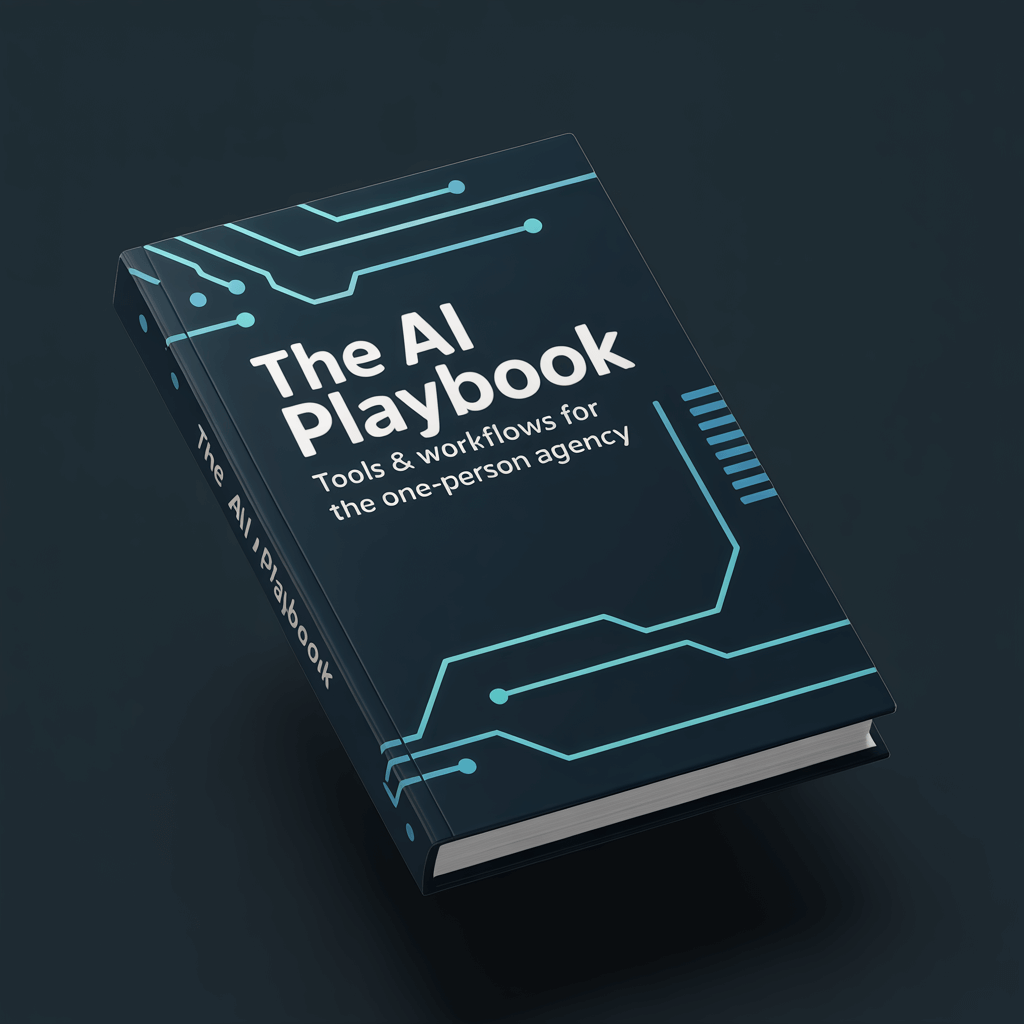
📥 FREE: THE AI PLAYBOOK
The exact tools and workflows I use to run a one-person agency. 25 years of marketing experience distilled into an actionable guide. Yours free.

AI & Digital Marketing Strategist
With over 25 years in digital marketing, e-commerce, sales, and international business, Jon Jones is a seasoned entrepreneur dedicated to empowering small businesses through innovative AI solutions. His journey began in investment banking on Wall Street, guiding companies through capital acquisition and complex markets, and has expanded to include expertise in web development, brand design, product development, and courses and training.
Fluent in Mandarin and with a rich foundation in both finance and tech, Jon launched JonJones.ai to provide accessible, transformative tools for small businesses to streamline operations, generate leads, and build sustainable growth. His mastery of AI, automation, and digital strategy has enabled numerous businesses to bridge the gap between traditional practices and modern technology, ensuring they thrive in today’s digital landscape.