

Every week I get some version of the same message: “Jon, I’m drowning in admin. Should I just hire another VA, or is it finally time to hand this to an AI agent?” It’s the most honest question in my inbox — because it’s not really about technology. It’s about trusting your business to something new. So for this FAQ Friday, here are the five questions solopreneurs ask me most before they replace (or supplement) a virtual assistant with an AI agent.
1. Is an AI agent actually better than my VA?
Not “better” — different. A good VA brings judgment, context, and the ability to handle the weird one-off that no system anticipated. An AI agent brings tirelessness: it runs at 3 a.m., never forgets a step, and costs a fraction per task. The real answer most solopreneurs land on is both — the agent handles the repetitive, rules-based volume, and your VA (or you) handles the exceptions and the human touch. Don’t replace a person. Replace the repetitive part of their day.
2. What should I hand off to an agent first?
Start with the task you already do the same way every single time: publishing a post, sorting your inbox into buckets, drafting first-pass replies, compiling a weekly report. If you can write the steps down as a checklist, an agent can run it. If the task needs taste, negotiation, or a judgment call — keep that human for now. My rule: automate the boring 80%, keep the human 20%.
3. How much does it really cost compared to a VA?
A part-time VA might run you $600–$2,000 a month. A well-scoped agent handling a specific workflow often costs a few dollars a day in API usage. That’s not a fair apples-to-apples fight — the VA does things the agent can’t — but for high-volume repetitive work, the math is lopsided. I broke the numbers down honestly in last week’s FAQ on what it actually costs to run AI agents.

⚡ GET THE AI EDGE
Weekly AI tips that actually save you time and money. No fluff, no hype — just what works.
4. Do I need to know how to code?
No. The friendliest entry point is a no-code builder where you wire steps together visually — I walk through the honest options in my no-code AI agent guide. You’ll hit a ceiling eventually if you want fully autonomous, always-on systems (that’s when I graduate people to Claude Code), but you can absolutely build your first useful agent this weekend without touching a terminal.
5. What happens when it makes a mistake?
It will — same as a new hire. The difference is you design the guardrails up front: a review step before anything goes public, alerts when something looks off, and a “when in doubt, skip” default so the agent never bulldozes ahead on a bad assumption. A well-built agent doesn’t need to be perfect; it needs to fail safely and tell you about it. If you want the deeper mental model, my guide to autonomous AI agents covers how the oversight layer actually works.
The takeaway
You don’t have to choose between “human VA” and “robot takeover.” The solopreneurs winning right now are running a hybrid: agents on the repetitive volume, humans on the judgment calls. Start with one boring, repeatable task this week. Prove it to yourself. Then hand off the next one.
Want help figuring out which parts of your business are safe to automate first — and which to leave human? That’s exactly the conversation I have on a strategy call. Book one and we’ll map your first agent together.
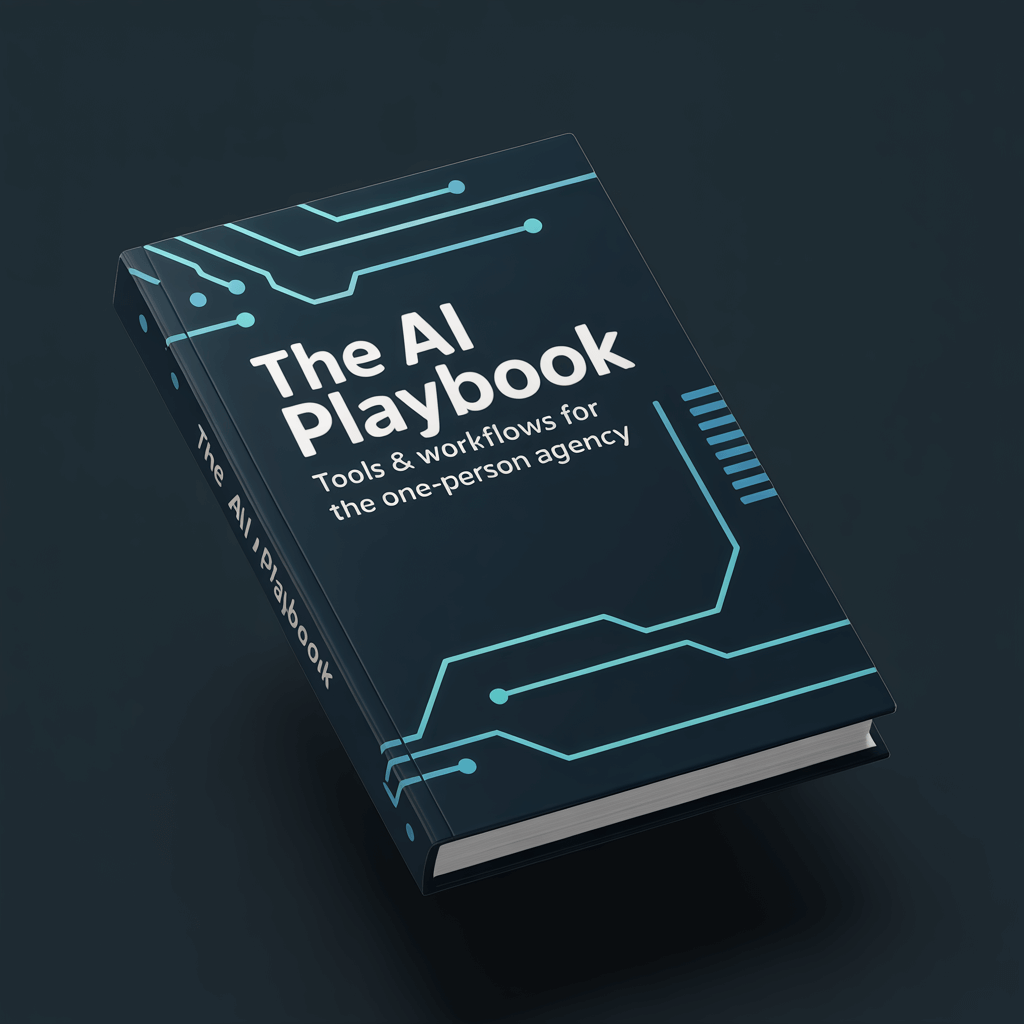
📥 FREE: THE AI PLAYBOOK
The exact tools and workflows I use to run a one-person agency. 25 years of marketing experience distilled into an actionable guide. Yours free.

AI & Digital Marketing Strategist
With over 25 years in digital marketing, e-commerce, sales, and international business, Jon Jones is a seasoned entrepreneur dedicated to empowering small businesses through innovative AI solutions. His journey began in investment banking on Wall Street, guiding companies through capital acquisition and complex markets, and has expanded to include expertise in web development, brand design, product development, and courses and training.
Fluent in Mandarin and with a rich foundation in both finance and tech, Jon launched JonJones.ai to provide accessible, transformative tools for small businesses to streamline operations, generate leads, and build sustainable growth. His mastery of AI, automation, and digital strategy has enabled numerous businesses to bridge the gap between traditional practices and modern technology, ensuring they thrive in today’s digital landscape.