週三箴言:你無法觀察自主代理的行動——所以讓它告訴你它做了什麼。

daily wednesday wisdom observability 20260715

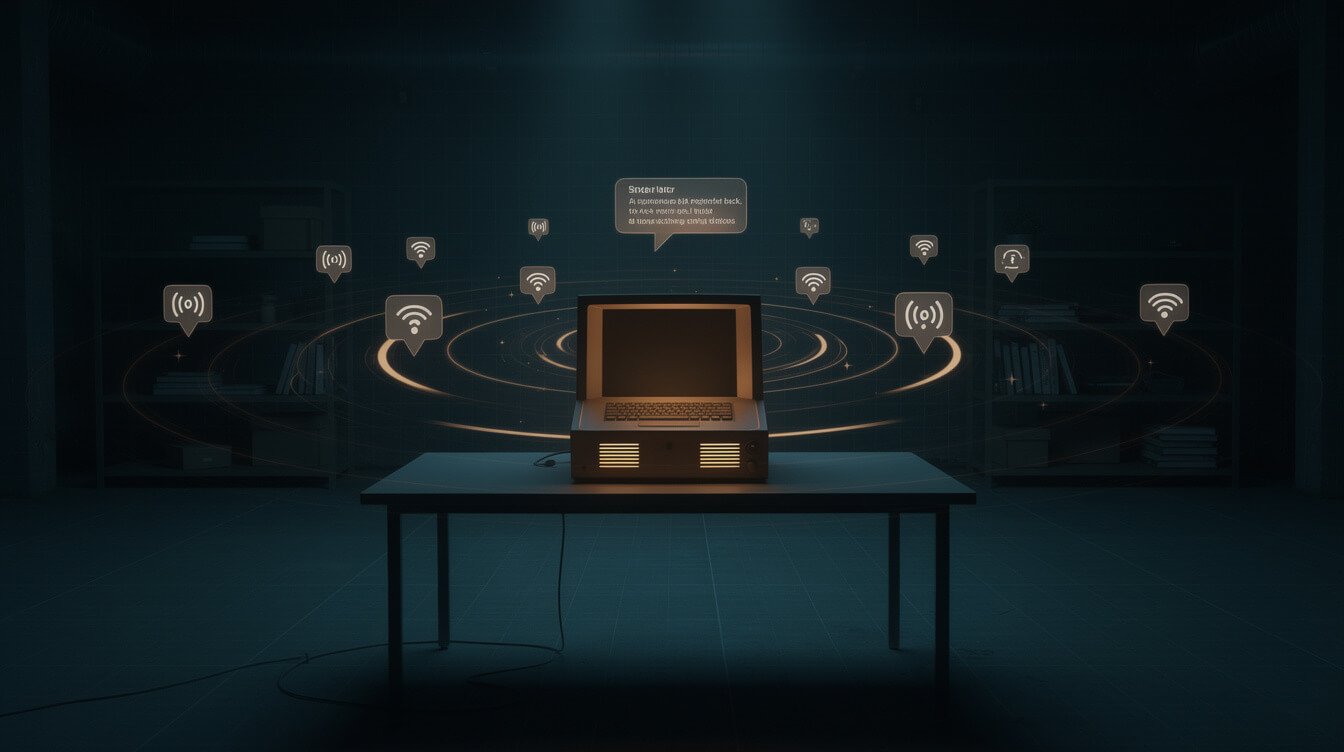
Here’s the strange part about running autonomous agents: you almost never watch them work. Mine run on a cron schedule inside Docker containers. They wake up, do a job, and go back to sleep — usually while I’m asleep too. I don’t hover over a screen watching an agent write a blog post any more than you watch bread rise with your face pressed to the oven glass.

Which raises the obvious question: if you can’t see it happen, how do you know it actually happened — and happened 正確的?

The wisdom: a silent agent is a broken agent

The mistake new builders make is optimizing for the agent that “just runs.” No errors in your face, no noise, no interruptions. It feels like success. It’s actually the most dangerous state an automation can be in, because an agent that fails silently looks exactly like an agent that succeeds.

You find out three weeks later that your daily post pipeline has been skipping every day because an API key rotated. Or that your outreach agent has been sending to an empty list. The work didn’t stop screaming — it never screamed at all.

So the wisdom for today is simple: you can’t watch an autonomous agent, so make it tell you what it did. Every run. Success failure. Observability isn’t a nice-to-have you bolt on later — for an unattended system, it’s the whole game.

喬恩瓊斯

⚡ 取得人工智慧優勢

每週提供真正省時省錢的AI小技巧。沒有廢話,沒有誇大其詞——只有切實有效的方法。.

訂閱電子報 - 部落格行動號召

What “reporting back” actually looks like

This doesn’t require a fancy dashboard or a monitoring vendor. Mine is deliberately boring, and that’s the point. Three layers:

  1. A one-line result at the end of every run. Every one of my skills ends with a single structured line — SKILL_RESULT: success | published "Wednesday Wisdom" | 540 words | [url]. One line, always the same shape, whether it worked or skipped or failed. That’s the heartbeat.
  2. A push to somewhere I actually look. That result also fires a Telegram message. I’m not logging into a server to check — the agent comes to me. If I get the ping, it ran. If I don’t, that absence the alarm.
  3. A running journal it writes itself. After each job the agent appends a timestamped note to an observations file — what it did, what it decided, anything odd it noticed. It’s the flight recorder. When something looks off, I read the log instead of guessing.

Notice what none of these do: they don’t try to prevent every possible failure. They make failure loud. That’s a much cheaper and more honest goal.

重點

Before you automate anything and walk away, ask one question: “If this breaks at 3am, how will I know?” If the answer is “I’d eventually notice,” you don’t have an autonomous system — you have a time bomb with a polite personality.

Give every agent a mouth. Make it report success, report failure, and write down what it did. Then the silence means something — and you can finally trust the thing to run without you standing over it. It’s the same discipline behind the 10-minute credential check that keeps my agents from failing silently in the first place, and it’s the difference between the agents I actually rely on and the ones I quietly turned off. If you’re weighing which agent to trust with real work, my honest picks for small business all share this one trait: they tell you what they did.

人工智慧行動指南-免費下載

📥 免費:《人工智慧劇本》

我用來經營一人代理公司的所有工具和工作流程。 25 年的行銷經驗濃縮成一份實用指南。免費贈送。.

引流工具 - AI 策略手冊

相關文章

發佈留言

發佈留言必須填寫的電子郵件地址不會公開。 必填欄位標示為 *