週六小撇步:防止人工智慧代理胡編亂造的3種方法

daily saturday shortcuts grounding 20260724

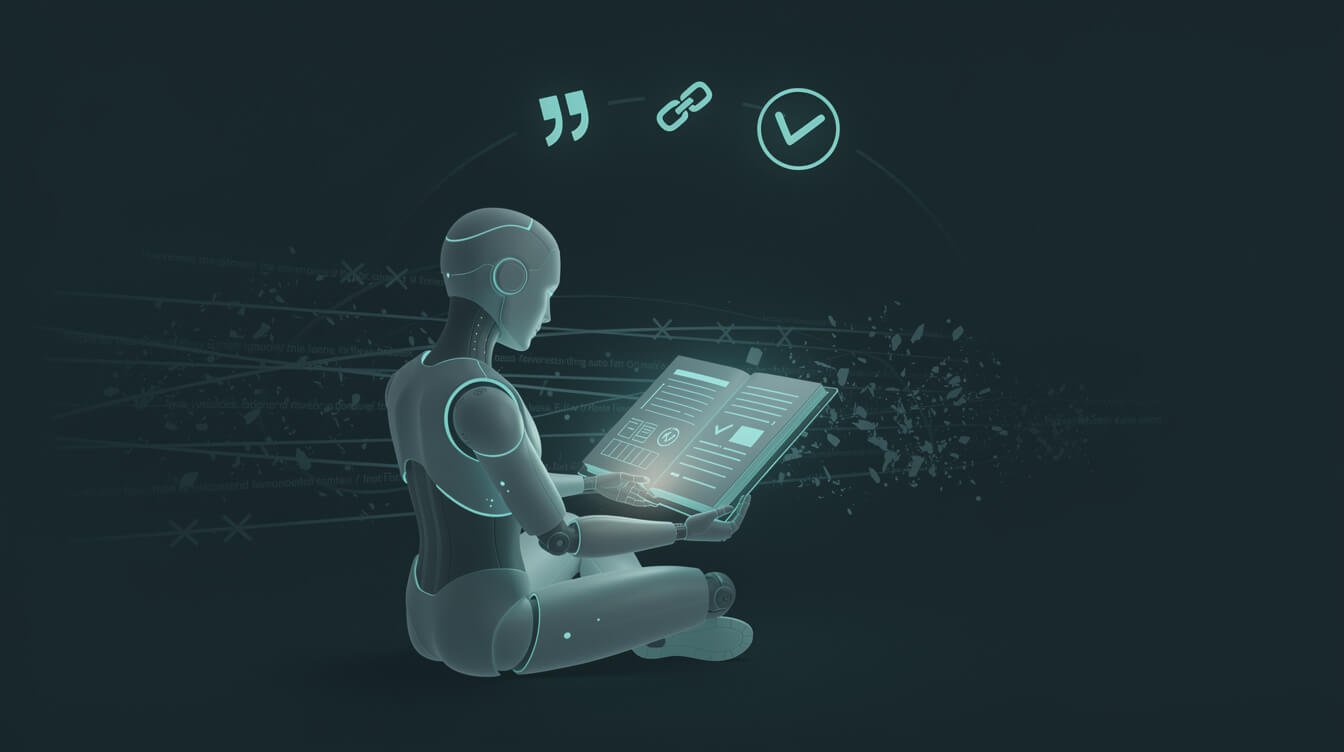
Here’s the quiet fear that stops most people from letting an AI agent do real work: what if it just makes something up? A confident, well-written, completely invented answer is the nightmare — because it doesn’t look wrong. Good news: you can stop your AI agent from making things up with three shortcuts I wire into every agent I run. None of them require code. All of them come down to one idea — never let the agent answer from memory when it can answer from a source.

Shortcut 1: Give it a facts file to quote from

An AI model left to its own devices will fill gaps with plausible-sounding guesses. So don’t leave a gap. Before an agent writes a word, I hand it a short “facts file” — a plain text or markdown doc with the real numbers, names, prices, and links it’s allowed to use. The instruction is blunt: “Only state facts that appear in this file. If it’s not here, say you don’t know.” Suddenly the agent isn’t inventing — it’s quoting. This is the same trick that turns a pile of notes into reliable agent memory: the file is the source of truth, and the agent reads from it instead of guessing.

Shortcut 2: Make “cite your source” a rule, not a hope

The fastest way to catch a made-up fact is to force the agent to show its work. I add one line to the prompt: “For every claim, name where it came from.” When an agent has to point at a source for each sentence, two things happen — it stops reaching for facts it can’t back up, and when it slip, you can see it instantly because the citation is missing or vague. A claim with no source is a red flag you can spot in two seconds. No source, no trust.

Shortcut 3: Draft first, verify, then send

The cheapest insurance against a hallucination reaching a real person is a gap between “written” and “sent.” I never let a new agent publish or reply straight to the world. It drafts; I (or a quick second check) verify the facts against the source; 然後 it goes out. Once it’s earned trust on a narrow job, I loosen the leash — but the draft-then-verify habit is exactly how you can eventually trust an agent to run without you watching. Where a wrong answer actually costs you money — like an AI agent answering your customers — this gap is non-negotiable.

喬恩瓊斯

⚡ 取得人工智慧優勢

每週提供真正省時省錢的AI小技巧。沒有廢話,沒有誇大其詞——只有切實有效的方法。.

訂閱電子報 - 部落格行動號召

重點

Hallucination isn’t a mysterious flaw you have to live with — it’s what happens when you ask an agent to answer without giving it something to answer . Ground it in a facts file, make it cite every claim, and keep a draft-then-verify gap before anything reaches a real person. Do those three and the “what if it makes something up” fear mostly disappears. If you’d like a second set of eyes on where your automations could quietly go wrong, 預約策略諮詢 and we’ll pressure-test it together.

——喬恩

免費人工智慧手冊潛在客戶開發工具

取得免費的人工智慧策略手冊

The exact systems I use to run autonomous businesses solo. Straight to your inbox.

引流工具 - AI 策略手冊
人工智慧行動指南-免費下載

📥 免費:《人工智慧劇本》

我用來經營一人代理公司的所有工具和工作流程。 25 年的行銷經驗濃縮成一份實用指南。免費贈送。.

引流工具 - AI 策略手冊

相關文章

發佈留言

發佈留言必須填寫的電子郵件地址不會公開。 必填欄位標示為 *