

Here’s the fear that keeps solopreneurs from letting an AI agent run anything unsupervised: what if it makes something up? What if it publishes a blog post with a fake statistic, emails a customer a price I never set, or logs a “done” for work it never did?
Valid fear. And the fix is one line of instruction most people forget to write.
The Tip: Tell Your Agent What to Do When It Has Nothing
Every autonomous agent hits moments where the data isn’t there. The queue is empty. The API returned nothing. The record it expected is missing. In that gap, an unguided AI does the most dangerous thing possible — it fills the silence with something plausible. That’s where hallucinated stats and invented commitments come from.
So the single most important rule in every one of my agents’ instructions is this:
Never invent data. If the queue is empty or the source is missing, skip gracefully and report the skip.
That’s it. One sentence. It reframes “empty” from a problem the AI feels pressure to solve into a totally valid outcome. A skip is a success, not a failure.

⚡ GET THE AI EDGE
Weekly AI tips that actually save you time and money. No fluff, no hype — just what works.
Why This Makes Autonomous AI Trustworthy
My content agents run every single morning whether or not there’s a keyword queued. Before this rule, an empty queue meant an agent would confidently write a post about… whatever felt on-brand. After this rule, an empty queue produces a clean SKILL_RESULT: skip | queue empty and a Telegram ping telling me to refill it.
The difference between those two behaviors is the difference between an agent you can trust to run 24/7 and one you have to babysit. An agent that knows how to do nothing is safe to leave alone. An agent that always produces something is a liability wearing a productivity costume.
How to Apply It Today
Open the instructions (system prompt, custom GPT config, n8n prompt node — wherever they live) for any AI task you’ve automated. Add three guardrails:
- “Never invent data” — no filling gaps with plausible guesses.
- “If input is missing, skip and report why” — make skipping an explicit, blessed outcome.
- “Never make commitments on my behalf” — pricing, promises, agreements stay with you.
Those three lines are the seatbelt that lets you take your hands off the wheel. Autonomy isn’t about the agent doing more — it’s about the agent knowing exactly where its authority ends. That’s the same principle behind yesterday’s reminder that “set it and forget it” is a myth: real autonomy runs on well-drawn boundaries, not blind trust.
Want the bigger picture on building agents that run themselves without going rogue? Start with my guide to autonomous AI agents and how to build your first one.
Today’s takeaway: The most powerful line in any agent’s instructions isn’t what to do — it’s what to do when there’s nothing to do. Teach it to skip, and you’ve built something you can actually trust.
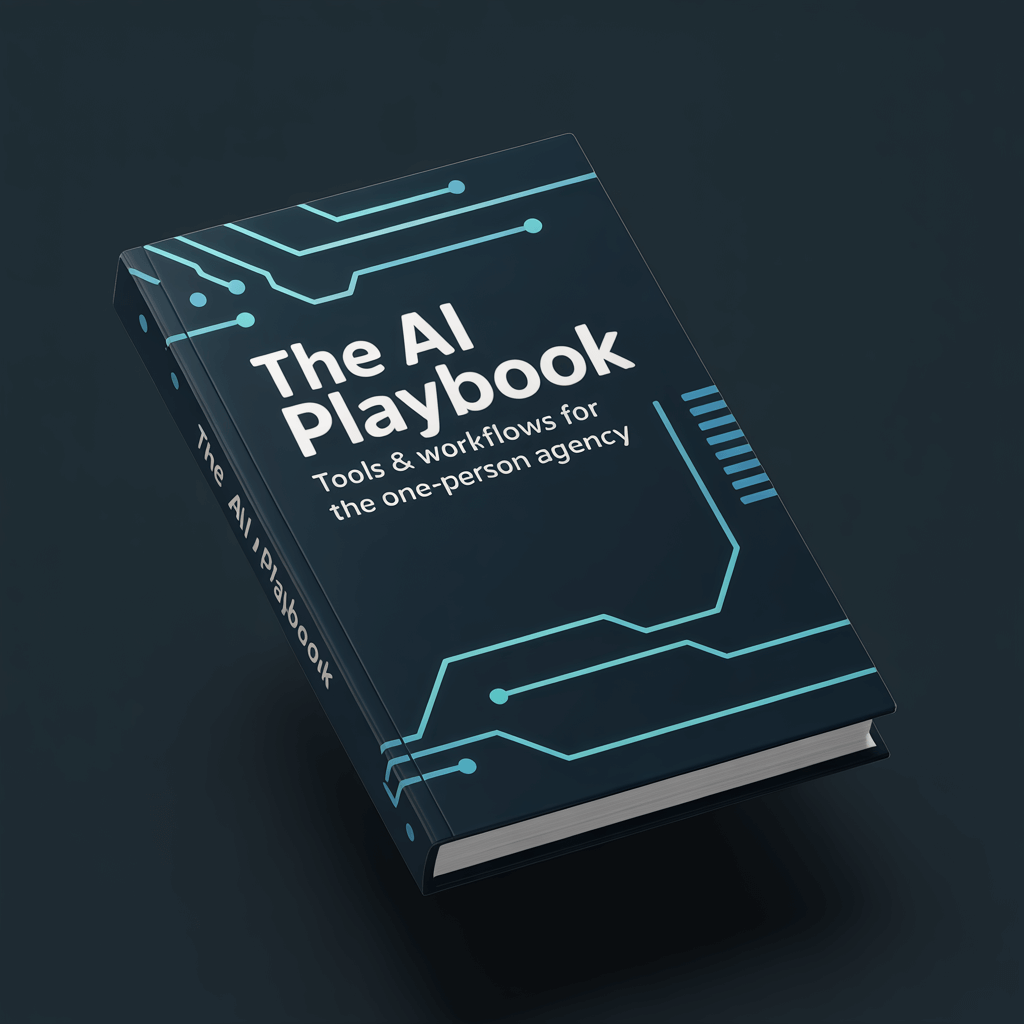
📥 FREE: THE AI PLAYBOOK
The exact tools and workflows I use to run a one-person agency. 25 years of marketing experience distilled into an actionable guide. Yours free.

AI & Digital Marketing Strategist
With over 25 years in digital marketing, e-commerce, sales, and international business, Jon Jones is a seasoned entrepreneur dedicated to empowering small businesses through innovative AI solutions. His journey began in investment banking on Wall Street, guiding companies through capital acquisition and complex markets, and has expanded to include expertise in web development, brand design, product development, and courses and training.
Fluent in Mandarin and with a rich foundation in both finance and tech, Jon launched JonJones.ai to provide accessible, transformative tools for small businesses to streamline operations, generate leads, and build sustainable growth. His mastery of AI, automation, and digital strategy has enabled numerous businesses to bridge the gap between traditional practices and modern technology, ensuring they thrive in today’s digital landscape.