
常見問題星期五:人們在信任人工智慧代理獨立運作之前會問的 5 個問題

daily faq friday trust unattended 20260723

Every Friday I answer the questions that keep landing in my inbox — and this week they all circled the same nerve. Not “how do I build one,” but the scarier one: how do you actually trust an AI agent to run unattended while you’re asleep? Fair. Handing a machine the keys and going to bed feels reckless the first time you think about it. Here are the five questions people ask me most, answered the way I’d tell a friend over coffee.

1. “How do you know it won’t do something stupid overnight?”

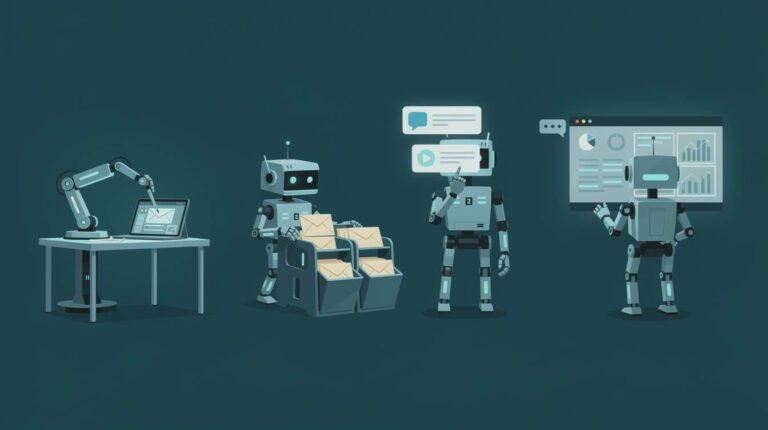
Because I don’t grant trust — I let the agent earn it. Every new agent starts in draft mode with read-only access and zero power to touch the outside world. It proposes; I approve. Only once it’s boring and predictable for a couple of weeks does it graduate to acting on its own, and even then only on low-risk tasks. That’s the whole game, and it’s why the “draft mode first” rule is the one I never skip.

2. “What happens when it makes a mistake?”

It fails loudly, not silently. Every agent logs what it did, and the important ones ping my phone the second they finish. So a mistake isn’t a landmine I step on three weeks later — it’s a line in a log I read with my morning coffee. Design for “I’ll see it fast and fix it,” not “it will never happen.” Things break; the trick is making sure they can’t break 悄悄.

3. “Do you check everything it does?”

No — and that’s the point. I check the risky things. Internal, reversible, read-only work runs fully unattended: research, drafting, moving data around, image generation. Anything that reaches a real human or spends real money waits for me. It’s tiered trust, not blanket trust. Keeping each agent narrow makes this easy to reason about, which is exactly why I’m a broken record about one agent, one job.

4. “How long before you actually trusted it?”

Weeks, not minutes. I watched the logs like a hawk for the first stretch, the way you’d shadow a new hire before handing over the shop keys. Trust with an agent works exactly like trust with a person: it’s graduated, it’s earned in low-stakes reps, and you widen the leash slowly. If you’re impatient here, you’ll get burned. If you’re patient, you wake up to work already done — that’s the payoff, and these nine real agents are what that looks like in practice.

喬恩瓊斯

⚡ 取得人工智慧優勢

每週提供真正省時省錢的AI小技巧。沒有廢話,沒有誇大其詞——只有切實有效的方法。.

訂閱電子報 - 部落格行動號召

5. “What would you never let an agent do unsupervised?”

Anything irreversible or anything that speaks for me with money or promises on the line. Sending a payment, making a pricing decision, agreeing to terms, hitting publish on something that can’t be walked back — those always route through a human. My agents draft the customer reply; I sign it. The rule of thumb: if undoing it would cost real money or real trust, a human approves it. Same reason I run a weekly five-minute cost check — surprises get caught small.

重點

You don’t trust an AI agent to run unattended on day one — you build up to it, exactly like you would with a person. Draft mode first, narrow jobs, loud logs, and a hard line around anything irreversible. Do that, and “asleep while it works” stops feeling reckless and starts feeling like leverage. Start with one small, reversible task this week and watch it for a few days — that’s how the trust gets built. If you’d rather have the guardrails wired in for you from the start, 預約策略諮詢 and we’ll map it together.

——喬恩

個人創業者的免費人工智慧操作手冊

取得免費的人工智慧策略手冊

The exact moves I use to run autonomous businesses — straight to your inbox.

引流工具 - AI 策略手冊
人工智慧行動指南-免費下載

📥 免費:《人工智慧劇本》

我用來經營一人代理公司的所有工具和工作流程。 25 年的行銷經驗濃縮成一份實用指南。免費贈送。.

引流工具 - AI 策略手冊

相關文章

發佈留言

發佈留言必須填寫的電子郵件地址不會公開。 必填欄位標示為 *